Maintaining Fasteners and Why It Matters
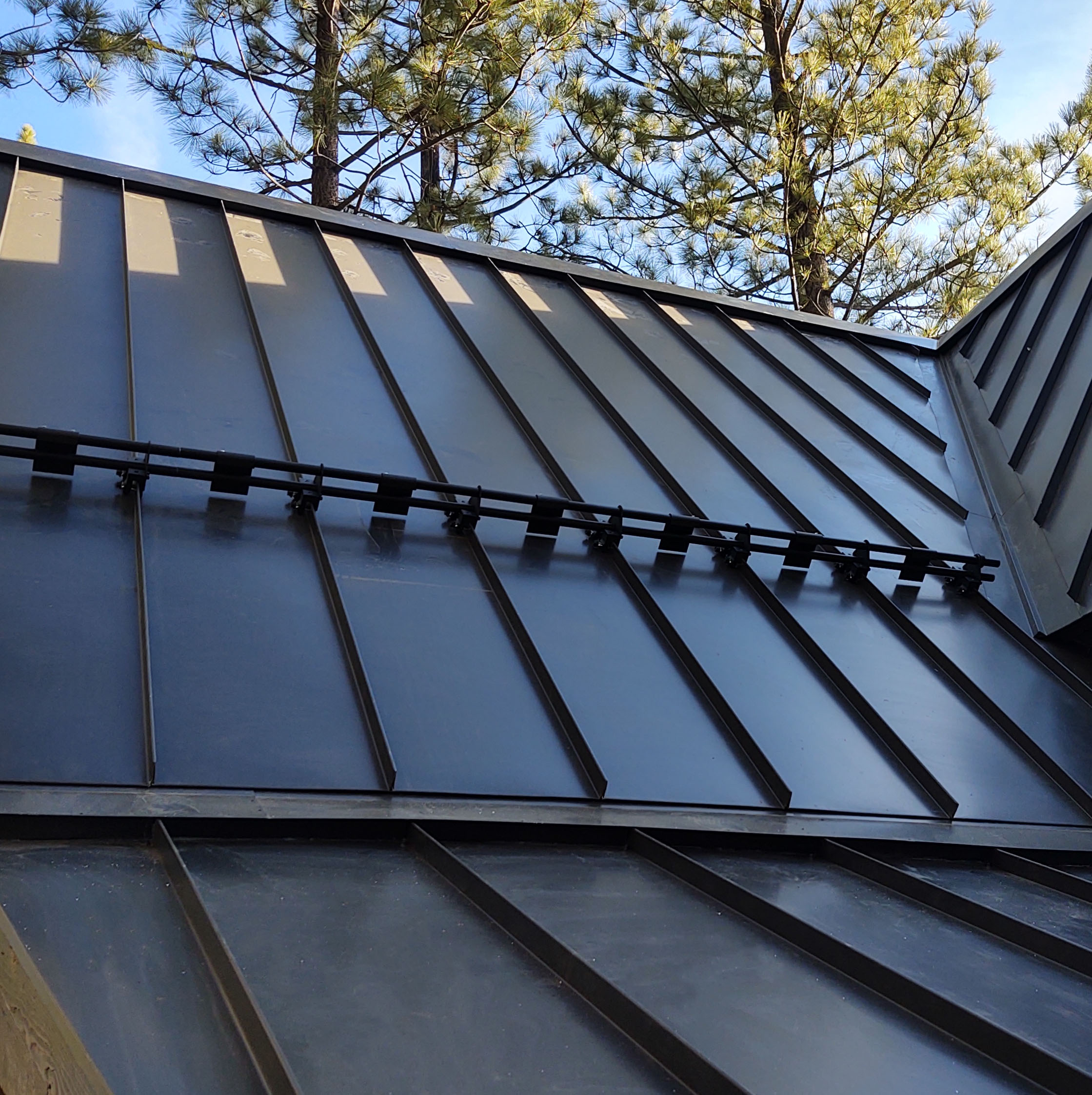
Maintaining the fasteners on an exposed-fastener roof matters, and a Lake Stonebridge homeowner benefits from understanding why. Here is the picture.
Fasteners Are Sealing Points
The fasteners are sealing points on the roof, so keeping them sound keeps the roof watertight at those many points. Fasteners seal the roof. Keeping them sound matters. They affect water-tightness. They are key points. They warrant care.
Periodic Attention
Periodic attention to the fasteners, checking for loosening or wear, helps catch issues before they let water in. Periodic checks help. They catch issues early. They support the seal. They are part of care. They are worthwhile.
Part of Exposed-Fastener Roof Care
Fastener care is part of owning an exposed-fastener roof, since the fasteners are wear points that benefit from attention over the roof's life. It is part of care. Fasteners are wear points. They benefit from attention. It is expected. It maintains the roof.
Keeping the Roof Sound
Maintaining the fasteners keeps the roof sound and watertight, supporting its performance and longevity. Fastener care supports the roof. It keeps it watertight. It maintains performance. It aids longevity. It is valuable.
A Professional Can Help
A professional can inspect and maintain the fasteners as part of caring for the roof, addressing any that need attention. A professional helps. They inspect the fasteners. They maintain them. They address issues. It is worth their care.
Maintaining Fasteners, in Short
The fasteners are sealing points, so periodic attention to check for loosening or wear, as part of owning an exposed-fastener roof, helps catch issues before they let water in and keeps the roof sound and watertight, with a professional able to inspect and maintain them.
It also helps Lake Stonebridge homeowners to know both how to spot fastener issues on an exposed-fastener roof and how those issues are addressed, because catching and fixing them keeps the roof watertight. The signs to watch for are fairly straightforward. Loose or raised screws, ones that sit up from the panel rather than flush against it, indicate fasteners that have loosened. Screws that have backed out, risen partly or fully from the panel, are a clearer sign still, because they no longer hold or seal properly. Worn, cracked, or damaged washers indicate that the seal at those fasteners may be compromised. And a leak or signs of water near a fastener point directly to a fastener seal issue, since the fastener is a sealing point where a failure lets water in. As for fixing them, the approach depends on the fastener's condition. A fastener that has loosened but is otherwise still sound can sometimes simply be re-tightened, restoring its hold and seal. A fastener that has actually failed, one that is stripped, has backed out, or has a worn-out washer, is replaced, and often this is done with a slightly larger fastener that can hold securely in the existing hole, which also renews the sealing washer so the new fastener seals properly. On an older roof where many fasteners are showing their age, it can make sense to address them across the whole roof, sometimes replacing fasteners throughout, to restore the overall seal. This kind of work is best done by a professional who can assess the fasteners and carry out the repairs properly, and incorporating periodic fastener attention into the care of an exposed-fastener roof helps catch issues before they let water in, keeping the roof sound and watertight over its life.
It also helps Lake Stonebridge homeowners to know both how to spot fastener issues on an exposed-fastener roof and how those issues are addressed, because catching and fixing them keeps the roof watertight. The signs to watch for are fairly straightforward. Loose or raised screws, ones that sit up from the panel rather than flush against it, indicate fasteners that have loosened. Screws that have backed out, risen partly or fully from the panel, are a clearer sign still, because they no longer hold or seal properly. Worn, cracked, or damaged washers indicate that the seal at those fasteners may be compromised. And a leak or signs of water near a fastener point directly to a fastener seal issue, since the fastener is a sealing point where a failure lets water in. As for fixing them, the approach depends on the fastener's condition. A fastener that has loosened but is otherwise still sound can sometimes simply be re-tightened, restoring its hold and seal. A fastener that has actually failed, one that is stripped, has backed out, or has a worn-out washer, is replaced, and often this is done with a slightly larger fastener that can hold securely in the existing hole, which also renews the sealing washer so the new fastener seals properly. On an older roof where many fasteners are showing their age, it can make sense to address them across the whole roof, sometimes replacing fasteners throughout, to restore the overall seal. This kind of work is best done by a professional who can assess the fasteners and carry out the repairs properly, and incorporating periodic fastener attention into the care of an exposed-fastener roof helps catch issues before they let water in, keeping the roof sound and watertight over its life.
It also helps Lake Stonebridge homeowners to know both how to spot fastener issues on an exposed-fastener roof and how those issues are addressed, because catching and fixing them keeps the roof watertight. The signs to watch for are fairly straightforward. Loose or raised screws, ones that sit up from the panel rather than flush against it, indicate fasteners that have loosened. Screws that have backed out, risen partly or fully from the panel, are a clearer sign still, because they no longer hold or seal properly. Worn, cracked, or damaged washers indicate that the seal at those fasteners may be compromised. And a leak or signs of water near a fastener point directly to a fastener seal issue, since the fastener is a sealing point where a failure lets water in. As for fixing them, the approach depends on the fastener's condition. A fastener that has loosened but is otherwise still sound can sometimes simply be re-tightened, restoring its hold and seal. A fastener that has actually failed, one that is stripped, has backed out, or has a worn-out washer, is replaced, and often this is done with a slightly larger fastener that can hold securely in the existing hole, which also renews the sealing washer so the new fastener seals properly. On an older roof where many fasteners are showing their age, it can make sense to address them across the whole roof, sometimes replacing fasteners throughout, to restore the overall seal. This kind of work is best done by a professional who can assess the fasteners and carry out the repairs properly, and incorporating periodic fastener attention into the care of an exposed-fastener roof helps catch issues before they let water in, keeping the roof sound and watertight over its life.
Maintain Your Fasteners With Us
Lake Stonebridge Metal Roofing inspects, repairs, and maintains metal roof fasteners across Lake Stonebridge and Hamilton County. Call {phone} for a free inspection and care that keeps your roof's fasteners sound and sealed.